These are the questions homeowners in Sterling Heights and around Macomb County ask most often about chimneys, fireplaces and repairs. If your question is not answered here, use the quote form or call and describe what you are seeing.
Leaks and Water Damage
Why is my chimney leaking?
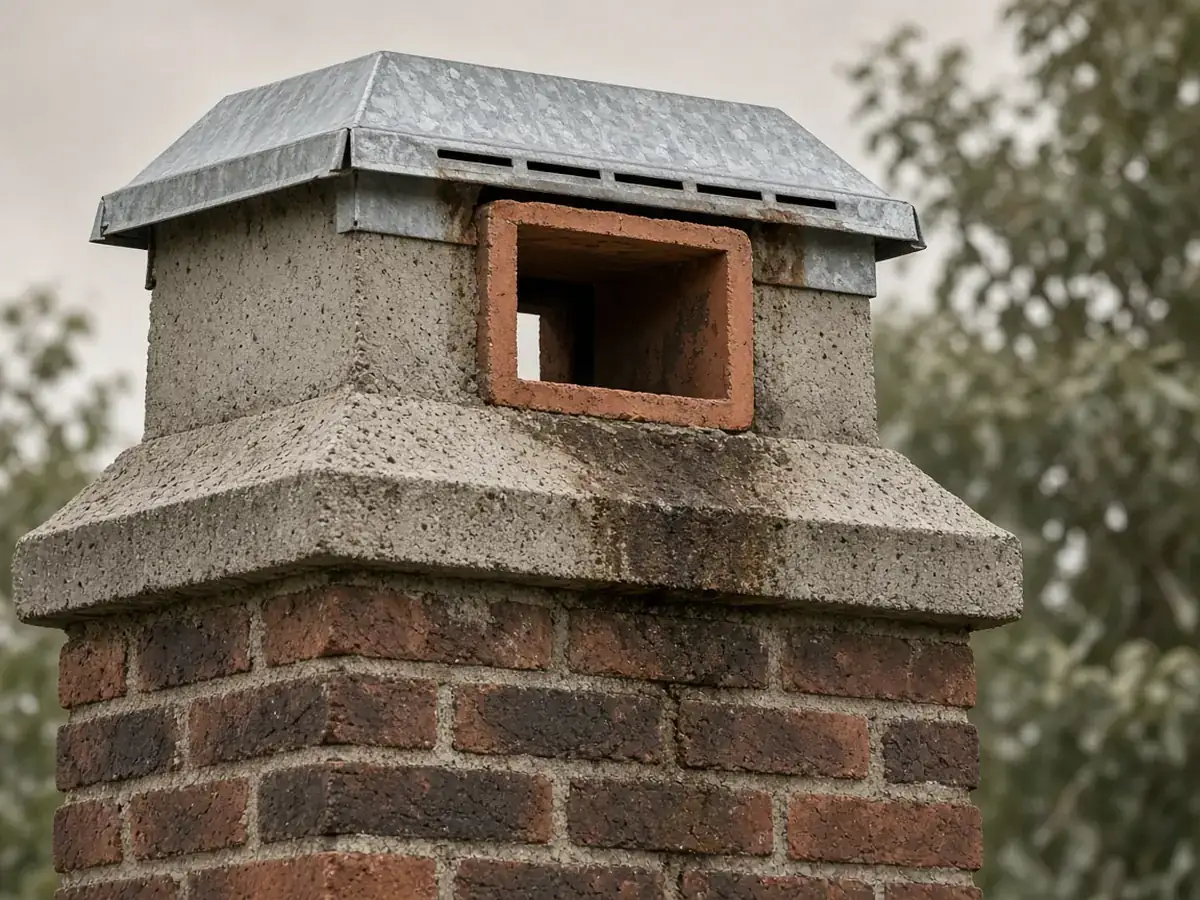
The most common causes are failed flashing where the chimney meets the roof, a cracked crown, a missing chimney cap, and porous brick or open mortar joints. Many leaking chimneys have more than one of these problems. Because water travels before it shows up inside, a full inspection is the best way to find the source.
Why does my chimney leak only in late winter or early spring?
Snow piles up against and behind the chimney, melts during sunny days and refreezes at night. Meltwater and ice dams can force water under shingles and flashing, and freeze-thaw cycles open cracks in the crown and mortar. Leaks that never appear during summer rain often show up during snowmelt.
Can I just put roofing tar or caulk around my chimney?
Tar and caulk may slow a leak for a short time, but they dry out, crack and can trap water. Properly installed step and counter flashing is the lasting fix.
There is water in my fireplace. Is that serious?
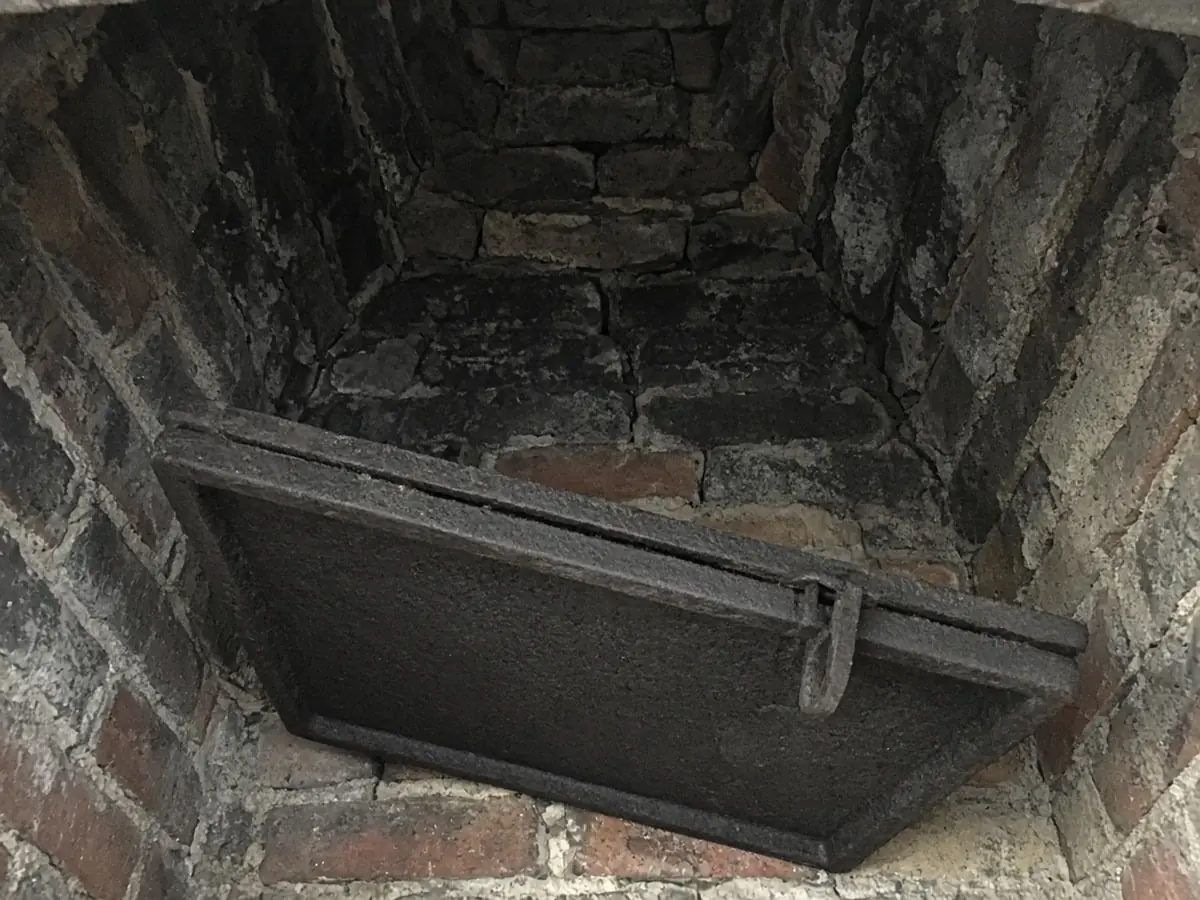
Water in the firebox usually means rain or snow is entering through an uncapped flue, a cracked crown, or deteriorated masonry. It rusts the damper and can damage the flue and smoke chamber. It should be checked before the next heating season.
What are the white stains on my chimney bricks?
That white, chalky residue is efflorescence: mineral salts left behind as water moves through the masonry and evaporates. It is a sign that the chimney is absorbing water, and it is worth finding out where that water is coming from.
Michigan Winters and Masonry
Why do Michigan chimneys deteriorate so fast?
Brick and mortar absorb water. When temperatures cross freezing again and again, as they do through a typical Southeast Michigan winter, the water inside freezes, expands and cracks the masonry a little more each time. Crowns, the top courses of brick, and mortar joints usually fail first.
Can chimney repairs be done in winter?
Some can. Caps, chase covers, dampers, liners, cleaning and many flashing repairs can be done in cold weather. Mortar and concrete need above-freezing temperatures to cure, so tuckpointing, crown rebuilding and rebuilds are usually done from spring to fall. A professional can often make a temporary repair in winter.
My bricks are flaking. What does that mean?
Flaking or popping brick faces are called spalling. It is usually caused by water in the brick freezing and expanding. Spalled bricks absorb water even faster, so the damage tends to accelerate. Bricks can be replaced individually, or a section can be rebuilt if the damage is widespread.
Should I seal my brick chimney?
A breathable, vapor-permeable water repellent made for masonry can help a lot after repairs are complete. Avoid paint and film-forming sealers, which can trap moisture and make spalling worse.
Cost and Hiring
How much does chimney repair cost?
It depends on the type of repair, the height and access of the chimney, and the extent of damage. Small repairs such as caps and crown sealing are usually far less expensive than rebuilds or new liners. The only reliable number is a written estimate after an inspection, which is why we connect you with a local pro who can look at your chimney.
How do I know if a contractor is being honest about what I need?
Ask for photos or video of the problem and a written, itemized estimate. A trustworthy professional can show you the cracked crown, open joints or damaged liner and explain why it matters. For large jobs, getting a second opinion is reasonable.
What should I ask before hiring a chimney company?
Ask whether they are insured, whether their technicians hold a chimney certification such as CSIA, whether they pull permits when required, what warranty they offer, and whether the quote is in writing. Be wary of door-to-door offers and pressure to decide on the spot.
Does homeowners insurance cover chimney damage?
Coverage depends on the policy. Sudden events such as a fallen tree, lightning strike or storm damage are more likely to be covered than gradual wear and water damage. Ask your insurer before work begins if you plan to file a claim.
Is Sterling Heights Chimney Repair a contractor?
Sterling Heights Chimney Repair is a local referral service. We connect homeowners with independent chimney professionals who serve Sterling Heights and nearby communities. The professional you are connected with provides the inspection, estimate and work directly.
Inspections and Cleaning
How often should my chimney be inspected?
The NFPA 211 standard recommends that chimneys, fireplaces and vents be inspected at least once a year, including those that serve gas appliances.
I am buying a house with a fireplace. Do I need a chimney inspection?
It is a good idea. NFPA 211 calls for a Level 2 inspection, which includes a video scan of the flue, when a property is sold. General home inspectors usually cannot see inside the flue.
How often should I have my chimney swept?
If you burn wood regularly, plan on at least once a year, and more often for heavy wood stove or insert use. Occasional users may need sweeping less often, but should still get an annual inspection.
What is creosote and why is it dangerous?
Creosote is a flammable residue from wood smoke that builds up inside the flue. Enough buildup can ignite and cause a chimney fire, which can crack the liner and spread to the house.
How do I know if I had a chimney fire?
Many chimney fires go unnoticed. Signs found afterward include puffy or honeycombed creosote, cracked flue tiles, warped metal parts and discolored caps. If any of these are found, have a Level 2 inspection before using the fireplace again.
Caps, Animals and Odors
Do I really need a chimney cap?
Yes. A cap keeps out rain, snow, debris and animals. It is one of the least expensive ways to protect a chimney.
There is an animal in my chimney. What should I do?
Do not light a fire. Keep the damper closed and call a professional; some animals need to be handled by a wildlife specialist. Once the animal is out, install a cap to keep it from coming back.
Why does my fireplace smell, especially in summer?
Creosote and soot deposits produce odors in warm, humid weather, especially when air is pulled down the chimney. Cleaning, closing the damper and installing a top-sealing damper usually help.
Gas Appliances and Liners
My furnace vents into my chimney. Does it need maintenance?
Yes. Gas exhaust contains water vapor and acids that can damage an unlined or oversized flue over time. Crumbling mortar at the cleanout and white staining outside are common signs.
I got a new high-efficiency furnace. Does that affect my chimney?
Often, yes. If the furnace now vents through the side of the house, the water heater may be left alone in a flue that is too large for it, which can cause poor draft and condensation. A properly sized liner may be needed.
How long does a stainless steel liner last?
A properly sized, listed stainless steel liner using the right alloy for the fuel can last many years and often comes with a long manufacturer warranty.
Removal
Can I remove a chimney I do not use?
Yes, often down to just below the roofline. First confirm that no furnace, water heater or other appliance vents through it. Any appliance using the chimney must have a new venting path before it is removed.