Every wood fire leaves something behind in the chimney. As smoke rises and cools, it deposits soot and creosote on the inside of the flue. Over time those deposits narrow the flue, hurt draft, and become fuel for a chimney fire. Chimney sweeping removes them. It is one of the simplest and most important things you can do to keep a fireplace or wood stove safe, and it gives the technician a clean flue to inspect.
What Is Creosote?
Creosote is a residue that forms when the gases, tar and unburned particles in wood smoke condense on the cooler walls of the flue. It builds up in three general stages:
- Stage 1: a dry, sooty, flaky deposit that brushes off fairly easily.
- Stage 2: a crunchy, tar-like or shiny flake deposit that is harder to remove.
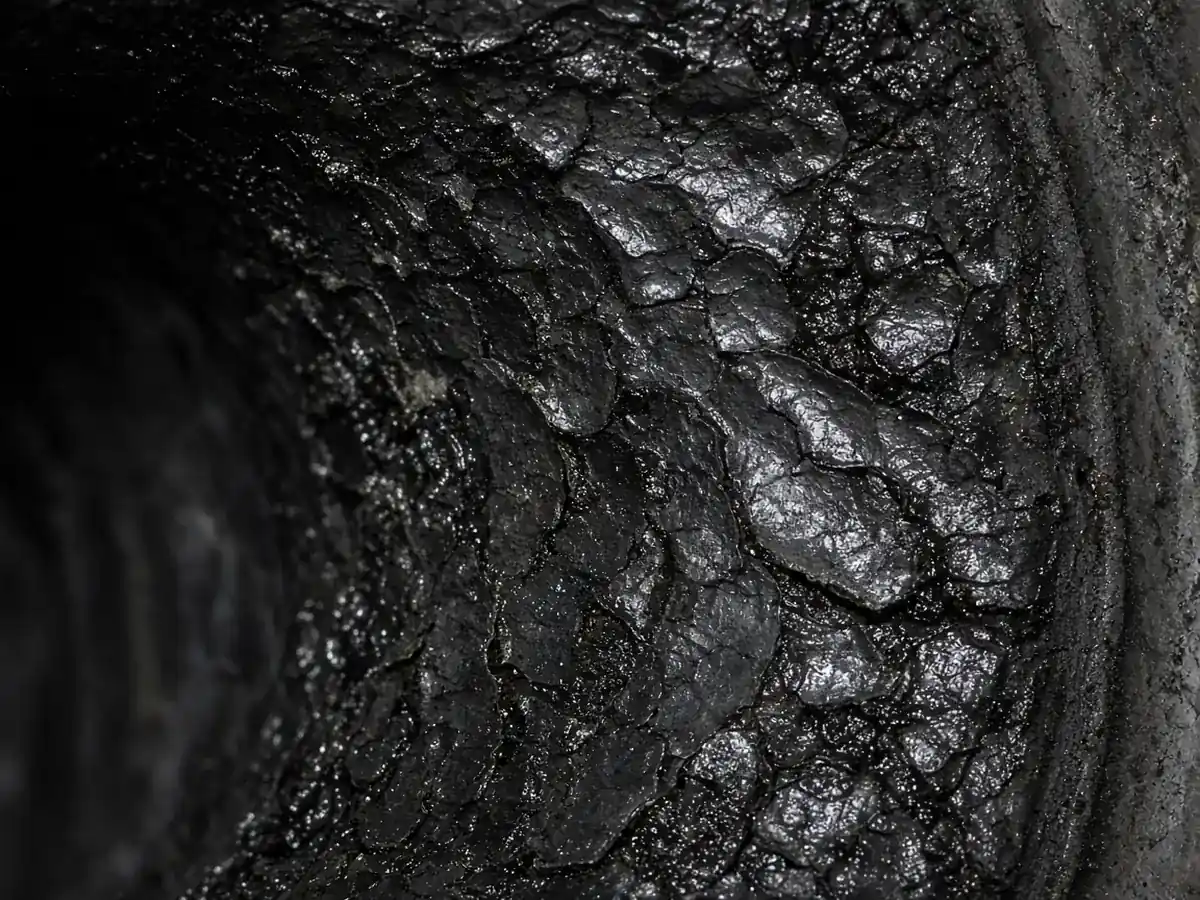
- Stage 3: a hard, glazed, tar-like coating that is very difficult to remove and highly flammable. Removing glazed creosote often requires specialized chemical treatments or rotary tools.
All creosote is combustible. When enough of it builds up and the flue gets hot enough, it can ignite. Chimney fires can burn extremely hot, crack flue liners, damage masonry and spread to the house.
What Causes Faster Creosote Buildup?
- Burning wet or green wood. Firewood should be seasoned so it is dry. Wet wood burns cooler and smokier, producing more creosote.
- Smoldering fires. Restricting air to make a fire last all night keeps it cool and smoky.
- Cold flues. Exterior chimneys and oversized flues stay cold longer, which encourages condensation. This is common in older masonry chimneys and on cold Michigan nights.
- Poor draft. Anything that slows the movement of smoke up the flue gives creosote more time to settle.
- Burning trash, cardboard or painted wood. These can create additional residue and hazards and should not be burned in a fireplace.
How Often Should a Chimney Be Swept?
NFPA 211 calls for chimneys to be inspected at least annually and cleaned as needed for soundness and the removal of deposits. A common guideline used by sweeps is to clean the chimney when there is about one-eighth of an inch of buildup in the flue, or sooner if glazed creosote is present. In practice:
- If you burn wood regularly through a Michigan winter, plan on at least one sweeping a year.
- Heavy users of wood stoves or inserts may need cleaning more than once per season.
- Occasional fireplace users may only need cleaning every year or two, but should still have the chimney inspected yearly.
- Gas appliance flues do not produce creosote, but can collect debris, nests, and fallen tile, and should be inspected annually.
What Happens During a Chimney Sweep
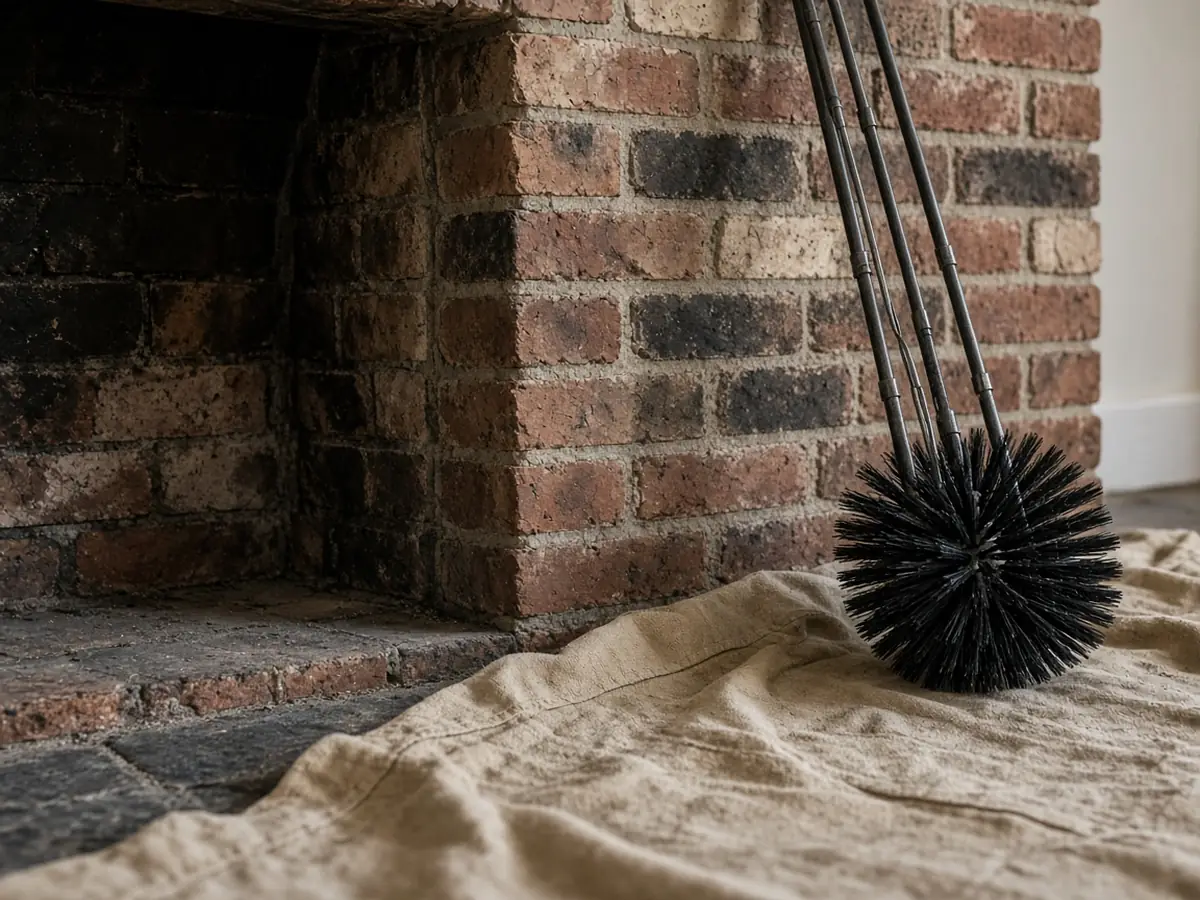
- Protection. Drop cloths go down in front of the fireplace, and the opening is sealed to keep soot out of the room. Many sweeps use HEPA-filtered vacuums to control dust.
- Brushing. The technician runs brushes sized to the flue up from the bottom or down from the top, scrubbing the flue walls. Rotary systems with flexible whips may be used for tough buildup.
- Smoke chamber and smoke shelf. These areas above the damper collect a lot of debris and are cleaned along with the flue.
- Firebox and damper. Soot and debris are cleaned out of the firebox and the damper is checked.
- Inspection. With the flue clean, the technician inspects the system and notes any damage.
- Cleanup. Debris is vacuumed up and removed.
A routine sweeping is often completed in an hour or two, depending on the chimney and how much buildup there is.
Signs Your Chimney Needs Cleaning
- A strong, campfire-like odor from the fireplace, especially in warm or humid weather.
- Black, flaky deposits falling into the firebox.
- Fires that are harder to start or keep burning.
- Smoke entering the room.
- Visible buildup when you shine a flashlight up past the damper.
- It has been more than a year since the last sweep.
Signs of a Past Chimney Fire
Many chimney fires happen without the homeowner realizing it. A slow-burning chimney fire may not be loud or dramatic. After the fact, a sweep may find puffy, honeycombed creosote, cracked flue tiles, warped metal components, or discolored and distorted caps. If any of these show up, a Level 2 inspection is typically recommended before the chimney is used again. See chimney inspection.
Chimney Fire Warning Signs
A loud roaring or rumbling sound, dense smoke, a strong hot smell, or flames and sparks shooting out of the top of the chimney can indicate an active chimney fire. If you suspect a chimney fire, get everyone out of the house and call 911. Do not try to climb onto the roof.
Animal Nests and Blockages
Birds, squirrels and raccoons build nests in chimneys, especially uncapped ones. Leaves, sticks, and debris can also block the flue. Blockages are dangerous in both wood-burning and gas chimneys because they can push smoke and carbon monoxide back into the house. A sweep can remove nests and debris, and a chimney cap helps prevent it from happening again.
Tips for Burning Cleaner
- Burn dry, seasoned hardwood that has been split and stored off the ground and under cover, ideally for six months or more.
- Build smaller, hotter fires rather than large, smoldering ones.
- Open the damper fully before lighting a fire.
- Never burn trash, cardboard, wrapping paper, treated or painted wood, or pallets.
- Consider a moisture meter for your firewood.
- Do not rely on creosote-removing logs as a substitute for professional sweeping.
What Affects the Cost of Chimney Sweeping
- Number of flues.
- Amount and type of creosote, especially glazed creosote removal.
- Wood stoves and inserts, which may need to be pulled out or disconnected to clean.
- Whether an inspection report or video scan is included.
- Roof access if the sweep needs to work from the top.
Chimney Cleaning Questions
Is chimney sweeping messy?
Professional sweeps take steps to contain dust, including drop cloths, sealed fireplace openings and HEPA vacuums. A properly done sweep should leave the room as clean as it was found.
Can I clean my own chimney?
Some homeowners use DIY brush kits, but a professional sweep also inspects the flue, smoke chamber and exterior, and has tools for heavier creosote. Combining cleaning with an annual inspection is the safest approach.
Do creosote sweeping logs work?
Creosote-modifying products can help make deposits easier to remove, but they do not replace a professional sweep and inspection.