Sometimes a chimney is past the point where patching makes sense. When the brick above the roofline is loose, leaning or falling apart, rebuilding that section is often safer and more cost-effective than repairing it piece by piece every year. A rebuild sounds like a huge project, but in many Sterling Heights homes it only involves the part of the chimney that sticks out above the roof, which is the part that takes the worst weather.
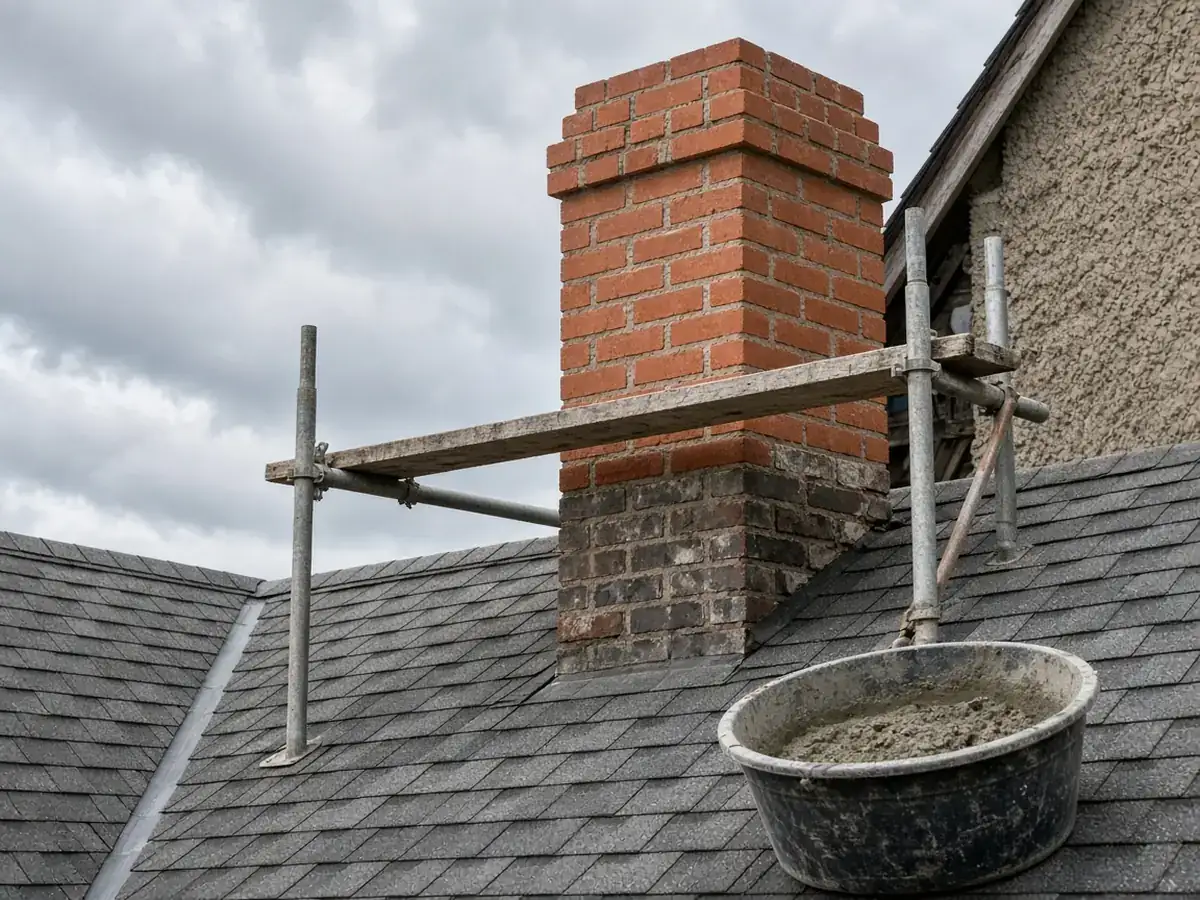
This guide explains how to tell when a chimney needs to be rebuilt, the difference between partial and full rebuilds, what the process looks like, and how to compare quotes.
Signs a Chimney May Need to Be Rebuilt
A rebuild is usually recommended when damage is widespread rather than isolated. Common signs include:
- The chimney leans or has pulled away from the house or roof.
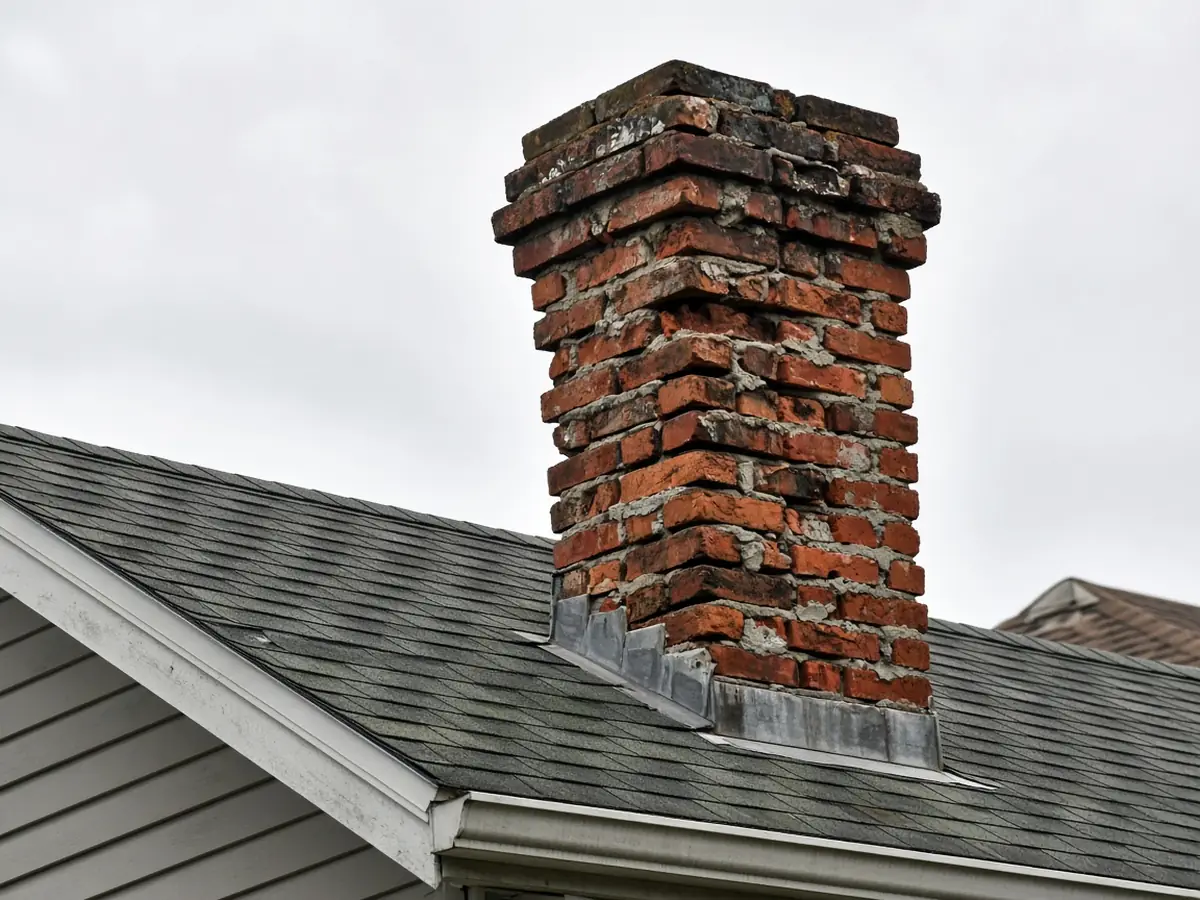
- Many bricks are cracked, spalled or missing, not just a few.
- Mortar is so soft that it crumbles or can be scraped out with a key or fingernail across large areas.
- Bricks move when pushed, or the top courses are loose.
- Large vertical cracks run through the brick and mortar.
- Repeated leaks continue even after the crown, cap and flashing have been repaired.
- The crown has failed so badly that the bricks underneath are also deteriorating.
A leaning chimney deserves prompt attention. Masonry is heavy, and a chimney that is separating from the house can be a falling hazard, especially in high winds. If you see a lean or a gap, keep people and vehicles away from the area below and have the chimney evaluated.
Partial Rebuild vs. Full Rebuild
Partial rebuild
A partial rebuild removes and replaces the deteriorated portion of the chimney, most often from the roofline up, and sometimes just the top several courses of brick. This is by far the most common type of rebuild. The section above the roof is exposed on all four sides to rain, snow, wind and freeze-thaw cycles, while the part inside the attic and below is protected. It is common to find a chimney that is solid below the roof and badly damaged above it.
Full rebuild
A full rebuild takes the chimney down to the foundation or footing and builds it back up. This is needed when the chimney has serious structural problems, such as a cracked or settling footing, a severe lean that starts low on the chimney, or damage that runs the full height of the masonry. Full rebuilds on exterior chimneys are larger projects that may involve the foundation, siding and interior walls, and they almost always require a permit.
How a Chimney Rebuild Is Done
While every job is different, a partial rebuild from the roofline up typically follows these steps:
- Inspection and measurement. The technician documents the existing chimney, takes measurements, and identifies how far down the damage goes. A camera inspection of the flue helps determine whether the liner can be reused.
- Protection. Tarps and roof protection go down, and the area below is secured so falling debris cannot damage property.
- Tear-down. Bricks are removed by hand, course by course, down to sound masonry. Debris is lowered or chuted into a dumpster or trailer.
- Flue liner. Damaged clay flue tiles are replaced, or a stainless steel liner may be recommended, especially if the chimney vents a gas appliance.
- Rebuilding. New brick is laid with mortar suited to the exposure, keeping the original dimensions and the proper height above the roof. Many contractors try to match the existing brick color and size as closely as possible.
- Crown. A new crown is formed, ideally with a proper concrete mix, a sloped top, an overhang with a drip edge, and a bond break or expansion joint around the flue tile.
- Flashing. Because the chimney is rebuilt where it meets the roof, new step and counter flashing is usually installed at the same time.
- Cap and finish. A new cap is installed, and the masonry can be treated with a breathable water repellent once it has cured.
Height matters. Building codes generally require a chimney to extend at least three feet above the point where it passes through the roof and at least two feet higher than any part of the building within ten feet. A rebuild is a good time to correct a chimney that was built too short, which can also improve draft.
Matching Brick
One of the most common concerns about rebuilding is whether the new brick will match. Exact matches are not always possible, especially for older homes, because brick colors and sizes change over the years. A good mason will bring samples or look for a close match. Because the rebuilt portion is above the roof, small color differences are usually much less noticeable from the ground than homeowners expect, and new brick tends to weather toward the color of the old brick over time.
How Long Does a Rebuild Take?
A partial rebuild above the roofline often takes one to a few days, depending on the size of the chimney, the weather, and whether a new liner is included. Full rebuilds take longer. Mortar and concrete need time to cure and must be protected from freezing, so most rebuilds in Sterling Heights are scheduled between spring and late fall. If a chimney is dangerous in winter, temporary stabilization or a partial tear-down can make it safe until permanent work can be done.
What Affects the Cost of a Chimney Rebuild
- How much of the chimney is rebuilt: a few top courses, from the roofline up, or the full height.
- The size of the chimney and the number of flues.
- Roof pitch, height, and access for scaffolding or lifts.
- Brick selection and matching.
- Whether a new flue liner, crown, flashing and cap are included.
- Permit requirements and debris disposal.
Because so many variables are involved, rebuild quotes can vary widely between contractors. When comparing them, make sure each one includes the same scope: how many courses or feet of chimney, liner work, crown type, flashing and cap. A low quote that leaves out flashing or uses a mortar wash instead of a real crown is not really cheaper.
Is Rebuilding Better Than Removing?
If the fireplace is used and loved, rebuilding preserves it. If the chimney vents a furnace or water heater, rebuilding keeps that venting path intact. But if nobody has used the fireplace in years and the appliances now vent elsewhere, removing the chimney above the roofline and roofing over it may be cheaper and eliminates future maintenance. Our chimney removal guide covers that option. If the damage is limited to a few areas, tuckpointing and masonry repair may be all you need.
Questions to Ask Before Hiring
- How far down will you take the chimney, and how did you determine that?
- Is a new liner, crown, flashing and cap included in the price?
- What kind of crown will you build, and will it have an overhang and drip edge?
- Will you pull a permit if required by the City of Sterling Heights?
- How will you protect my roof, landscaping and driveway?
- What warranty comes with the work?
Chimney Rebuilding Questions
Can I just repair my chimney instead of rebuilding it?
Often, yes. If the damage is limited to the crown, flashing or isolated mortar joints and bricks, targeted repairs usually make more sense. Rebuilding is recommended when damage is widespread, the chimney is leaning, or repairs keep failing.
Will a rebuilt chimney look different from the rest of the house?
Masons try to match the existing brick, but exact matches are not always possible. Because rebuilds are usually above the roofline, differences are often hard to notice from the ground and fade as the brick weathers.
Do I need a permit to rebuild a chimney in Sterling Heights?
Structural masonry work and new liners often require a permit. Requirements can change, so confirm with the contractor and the City of Sterling Heights building department before work begins.