Not every chimney is worth keeping. If the fireplace has not been used in years, the furnace and water heater now vent through the side of the house, and the chimney is leaking or falling apart, removing it can be a smart, permanent fix. Homeowners in Sterling Heights also remove chimneys to make room for solar panels, to simplify a roof replacement, or to open up space during a remodel. This guide explains the options, what is involved, and what to think about before you take a chimney down.
Reasons to Remove a Chimney
- The chimney is no longer used. An unused chimney still needs a cap, crown, flashing and masonry maintenance. Removal eliminates that ongoing cost.
- Repeated leaks. Chimney-related leaks are among the most common roof leaks. Removing the chimney above the roofline removes a major water entry point.
- Major repairs needed. If the chimney needs a rebuild, removal may cost less if the fireplace is not wanted.
- Roof replacement. Removing the chimney during a roof replacement makes the new roof simpler and avoids reflashing.
- Solar panels. Chimneys can shade panels or take up valuable roof space.
- Remodeling. Interior chimneys take up floor space that can be reclaimed for kitchens, bathrooms or closets.
Partial vs. Full Chimney Removal
Removal above the roofline
The most common option is removing the chimney down to just below the roof deck. The roof is then framed, sheathed and shingled over the opening. The remainder of the chimney stays in place inside the house and attic. This is much less disruptive and expensive than a full removal. The masonry left in place should be capped to keep debris, insects and moisture out, and some homeowners choose to keep the lower portion as a decorative element or to support an electric fireplace.
Full removal
A full removal takes the chimney down through every floor to the foundation. It frees up space inside the house but involves much more work: interior demolition, dust control, debris removal, patching floors, walls and ceilings, and sometimes structural work if the chimney supports framing. Full removals usually involve multiple trades and require permits.
Before Removing a Chimney: Check What It Vents
Before any chimney is removed or capped, confirm exactly what it serves. In many Sterling Heights homes, the masonry chimney vents more than the fireplace:
- A gas furnace.
- A gas water heater.
- A boiler.
- Another fireplace on a different floor.
Those appliances must have a safe alternative venting path before the chimney is taken out of service, which may mean a new direct-vent water heater, a power vent kit, or a dedicated vent pipe installed by a qualified HVAC or plumbing contractor. Blocking or removing a chimney that still vents an appliance can cause carbon monoxide to enter the house. This step is not optional.
How Chimney Removal Above the Roofline Is Done
- Planning. Confirm no appliances use the chimney, check the roof condition and coordinate with a roofer if needed.
- Protection. Protect the roof, landscaping and driveway; set up debris containment.
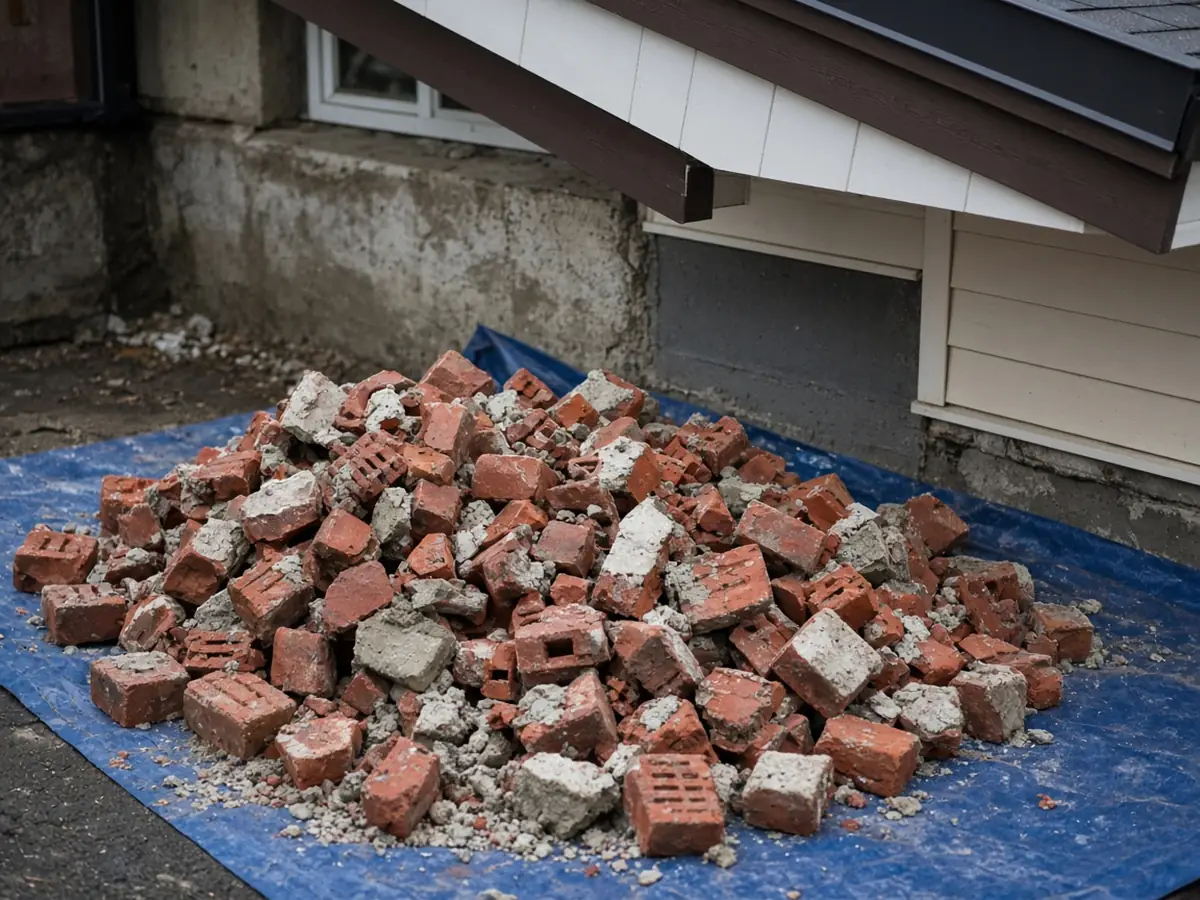
- Demolition. Masonry is removed by hand, course by course, from the top down, and lowered into a dumpster or trailer.
- Capping. The remaining chimney below the roof deck is capped or sealed.
- Framing and decking. The roof opening is framed and decked to match the existing roof.
- Roofing. Underlayment and shingles are installed to match the existing roof as closely as possible.
- Interior. If the fireplace remains below, the damper is sealed and the fireplace is permanently decommissioned, or converted to a decorative use that does not involve combustion.
When removal is combined with a roof replacement, the patch is simply part of the new roof and blends in perfectly.
What Happens to the Fireplace Below?
When a chimney is removed above the roofline, the fireplace inside can no longer be used for real fires. It should be permanently decommissioned so nobody lights a fire in it by mistake. Common approaches include sealing the damper or flue opening, closing the firebox with a decorative panel, or placing candles or an electric fireplace insert in the opening. Some homeowners convert the space into built-in shelving. Whatever you choose, label it clearly and let future owners know the fireplace is not functional; this is also worth noting when you sell the house. If you would rather keep a working fireplace, a direct-vent gas fireplace may be an option, but it needs its own approved venting and installation by a qualified professional.
Chimney Removal for Solar Installations
Solar installers often ask homeowners to remove a chimney on a south- or west-facing slope to fit more panels or avoid shading. Removing only the portion above the roof is typically enough, and the work should be coordinated with the solar and roofing schedule so the roof is properly patched before panels go on.
Permits and Structural Considerations
Removing a chimney, especially a full removal, can affect structural elements of the house. Some chimneys carry loads from floor or roof framing. A contractor should evaluate this, and a permit from the City of Sterling Heights building department may be required for removals, structural changes and appliance venting changes. Confirm requirements before work begins.
What About Resale Value?
A working fireplace is a feature that many buyers like. If the fireplace is in good condition and the chimney simply needs maintenance, keeping it may be the better choice. If the fireplace has not been used in decades and the chimney is falling apart, removing it or converting the fireplace to a gas or electric unit may make more sense. Compare the cost of repair or rebuilding with the cost of removal before deciding.
What Affects the Cost of Chimney Removal
- Partial vs. full removal.
- Chimney size and height.
- Roof pitch and access.
- Roof framing and shingle patch.
- Interior repairs for full removals.
- Rerouting appliance venting.
- Debris disposal and permits.
Chimney Removal Questions
Can I remove my chimney if my furnace vents through it?
Only after the furnace and any other appliances have a new, code-compliant venting path installed by a qualified contractor. The chimney must not be closed off while it is still venting any appliance.
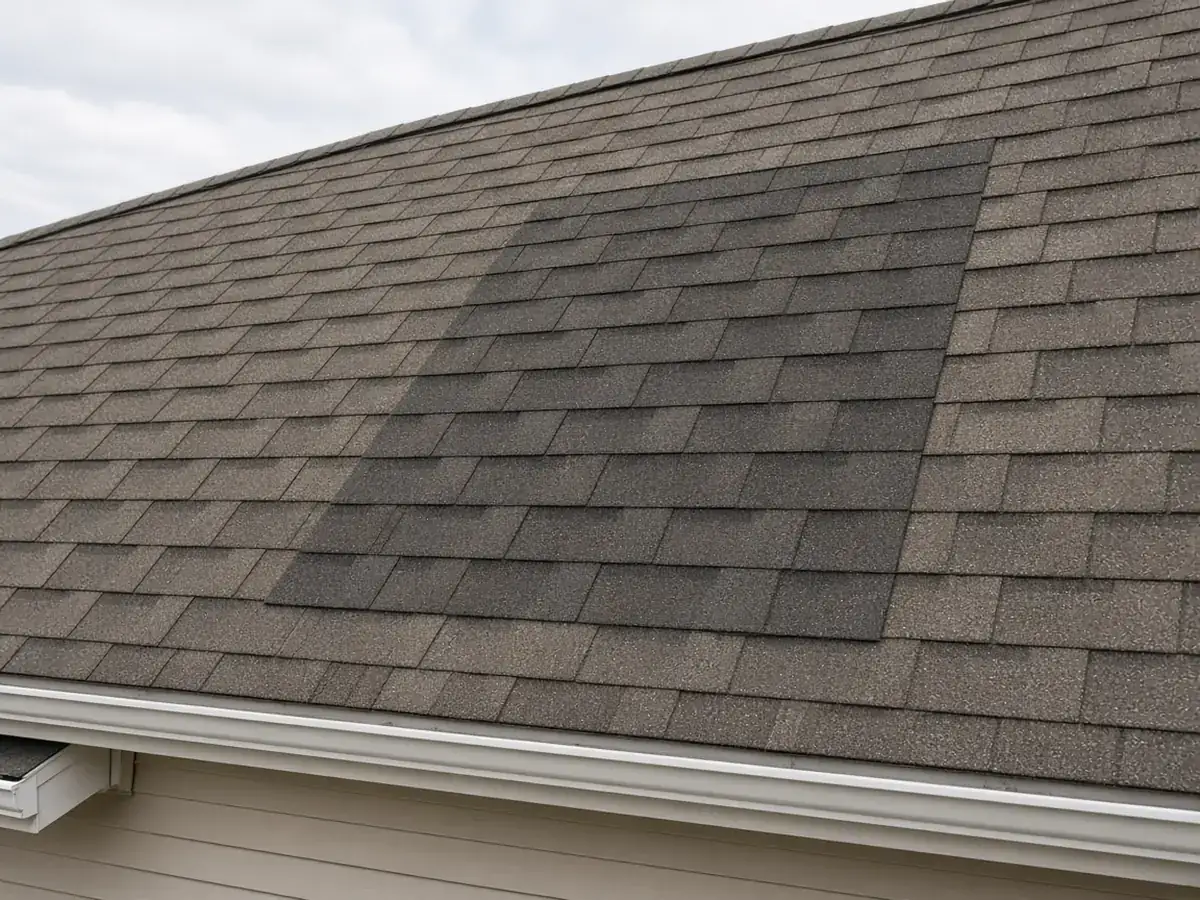
Will the roof patch be noticeable?
Matching shingles that have weathered for years can be difficult, so a patch may be visible for a while. Removing the chimney during a roof replacement avoids this.
Is it cheaper to remove or repair a chimney?
It depends. Minor repairs are usually cheaper than removal. When a chimney needs a rebuild and the fireplace is not used, removal above the roofline is often the more economical long-term option.