A chimney inspection is the starting point for nearly every chimney repair and the best way to avoid needing one. The National Fire Protection Association's standard for chimneys, NFPA 211, recommends that chimneys, fireplaces and vents be inspected at least once a year. That recommendation applies whether you burn wood every weekend, only light a gas fireplace on holidays, or have a chimney that vents a furnace and water heater. This page explains what a chimney inspection covers, the three inspection levels, and when you need more than a basic look.
What a Chimney Inspection Checks
A complete inspection looks at the entire chimney system, not just the flue. That typically includes:
- Firebox: firebrick and mortar joints, cracks, gaps and heat damage.
- Damper: operation, rust and seal.
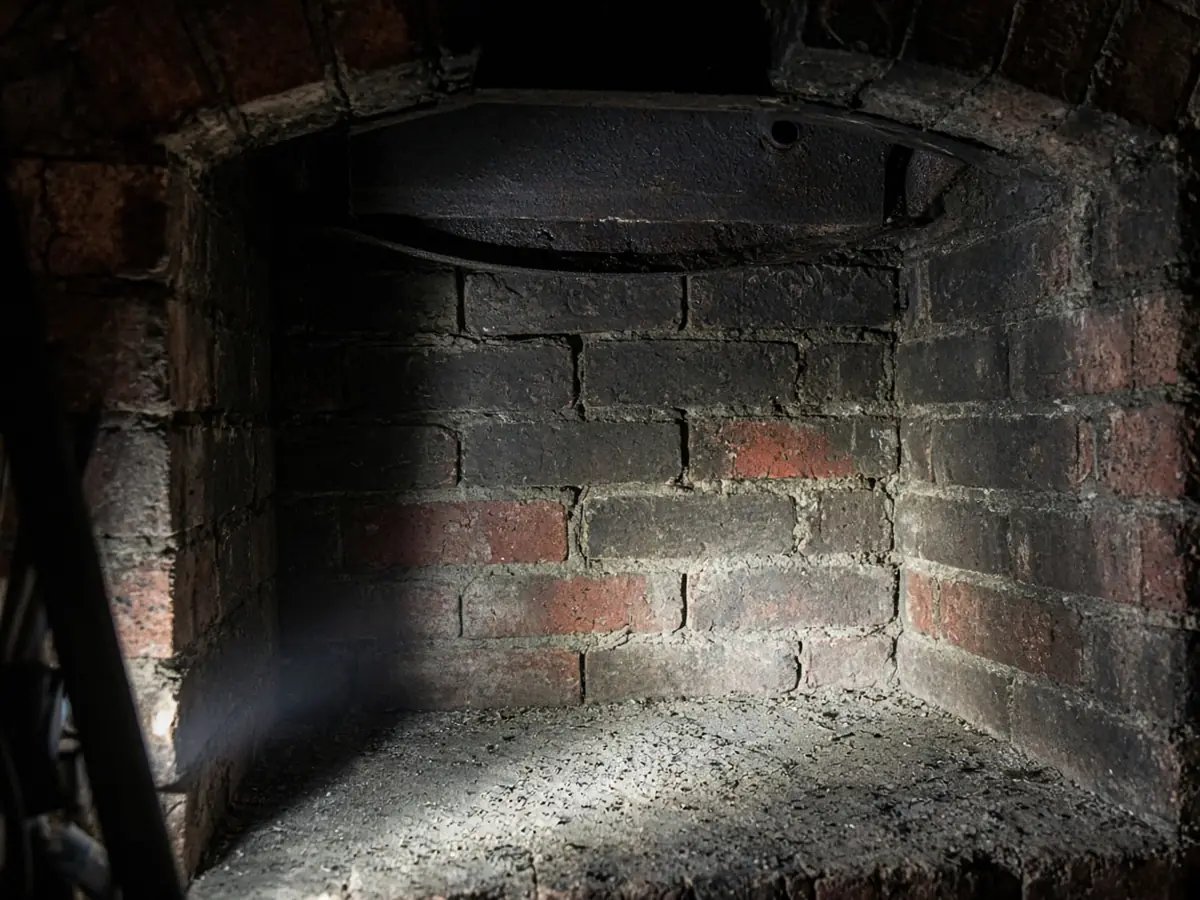
- Smoke chamber and smoke shelf: the area above the damper where smoke transitions into the flue, which should be smooth and free of gaps and debris.
- Flue liner: cracks, gaps, missing mortar, blockages and creosote buildup.
- Crown: cracks, overhang and condition.
- Cap or chase cover: presence, condition and fit.
- Flashing: seal and condition where the chimney meets the roof.
- Exterior masonry: mortar joints, spalling, leaning and efflorescence.
- Clearances: distance between the chimney and combustible materials where visible.
- Appliance connections: for inserts, stoves, furnaces and water heaters, how the appliance connects to the flue and whether the flue is sized correctly.
The Three Levels of Chimney Inspection
The NFPA 211 standard describes three levels of inspection. The level depends on the situation, not on how much a homeowner wants to spend.
Level 1 inspection
A Level 1 inspection is the basic annual inspection for a chimney that is being used the same way, with no changes and no known problems. The technician checks the readily accessible parts of the chimney exterior, the interior, and accessible portions of the appliance and connection, and confirms there are no obstructions or combustible deposits. A Level 1 inspection is often done with a sweeping.
Level 2 inspection
A Level 2 inspection includes everything in a Level 1, plus accessible areas such as attics, crawl spaces and basements, and a video scan of the internal surfaces of the flue. NFPA 211 calls for a Level 2 inspection when:
- The property is being sold or transferred.
- The type of fuel or appliance changes, such as switching from wood to gas or installing an insert.
- The system has been through a chimney fire, earthquake, severe weather or other event that could have caused damage.
- A Level 1 inspection suggests there may be a hidden problem.
Level 3 inspection
A Level 3 inspection is the most thorough and is only recommended when a serious hidden hazard is suspected and cannot be confirmed with a Level 2 inspection. It can involve removing parts of the building or chimney, such as drywall or chimney crown sections, to access concealed areas. Level 3 inspections are uncommon and are typically used after a chimney fire or when there is evidence of serious structural damage.
Chimney Inspections for Home Buyers and Sellers
General home inspectors usually look at the chimney from the ground and peek into the fireplace, and their reports often recommend that a qualified chimney professional evaluate it. That is because a cracked liner, a damaged smoke chamber or a hidden leak cannot be seen without specialized equipment. If you are buying a home in Sterling Heights with a fireplace or a masonry chimney, scheduling a Level 2 inspection during the inspection period can prevent an expensive surprise after closing. Sellers can also get ahead of buyer concerns by having an inspection done before listing.
Video Chimney Inspections
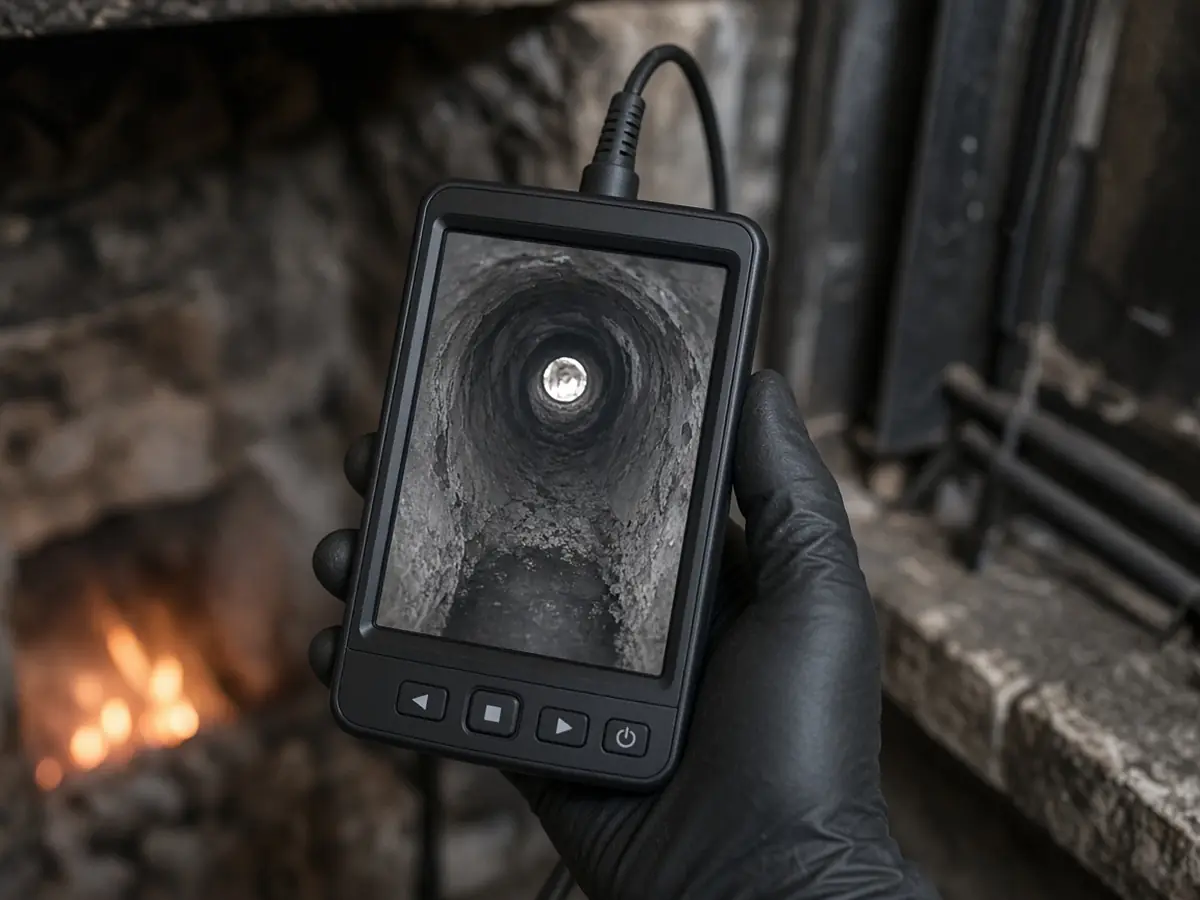
A video scan uses a camera on a flexible rod or cable that travels up the flue. It records the interior of the liner so the technician can find cracks, missing mortar, gaps between tiles and areas of heavy creosote that are impossible to see from the top or bottom. Ask for a copy of the footage or still images. They are useful if you get a second opinion or need documentation for a real estate transaction or insurance claim.
How Often Should You Have Your Chimney Inspected?
- At least once a year for any chimney in use, per NFPA 211.
- Before using the fireplace for the first time in a newly purchased home.
- After a chimney fire, a lightning strike, a fallen tree, or severe storm damage.
- When changing appliances, such as adding an insert or replacing a furnace or water heater.
- When you notice a problem: leaks, smoke, odors, falling debris or animals.
Late spring and summer are good times to schedule. Appointments are easier to get, and if repairs are needed, there is time to do masonry and crown work in warm weather before the heating season.
What You Get After an Inspection
A good inspection ends with a clear explanation of what was found, preferably with photos or video and a written report. The report should identify any safety hazards, explain what each problem means, and recommend repairs in priority order. If the technician recommends major work, such as a new liner or rebuild, you should be able to see the evidence for yourself.
What Affects the Cost of a Chimney Inspection
- Inspection level: Level 1 is the least expensive; Level 2 with video costs more; Level 3 varies widely based on what must be opened up.
- Number of flues.
- Whether the inspection is combined with a sweep.
- Roof access.
- Whether a written report is needed for a real estate transaction.
Chimney Inspection Questions
Do I need a chimney inspection if I have a gas fireplace?
Yes. Gas fireplaces and appliances can have blocked vents, damaged liners, and issues with connections and components. NFPA 211 recommends annual inspection for gas venting systems as well as wood-burning chimneys.
How long does a chimney inspection take?
A Level 1 inspection is usually fairly quick, often under an hour. A Level 2 inspection with a video scan and attic access takes longer. Time also depends on the number of flues and roof access.
Is a chimney sweep the same as an inspection?
Not exactly. Sweeping removes soot and creosote. An inspection evaluates the condition of the system. They are often done together because cleaning the flue makes it easier to see problems.